
May 5, 2025
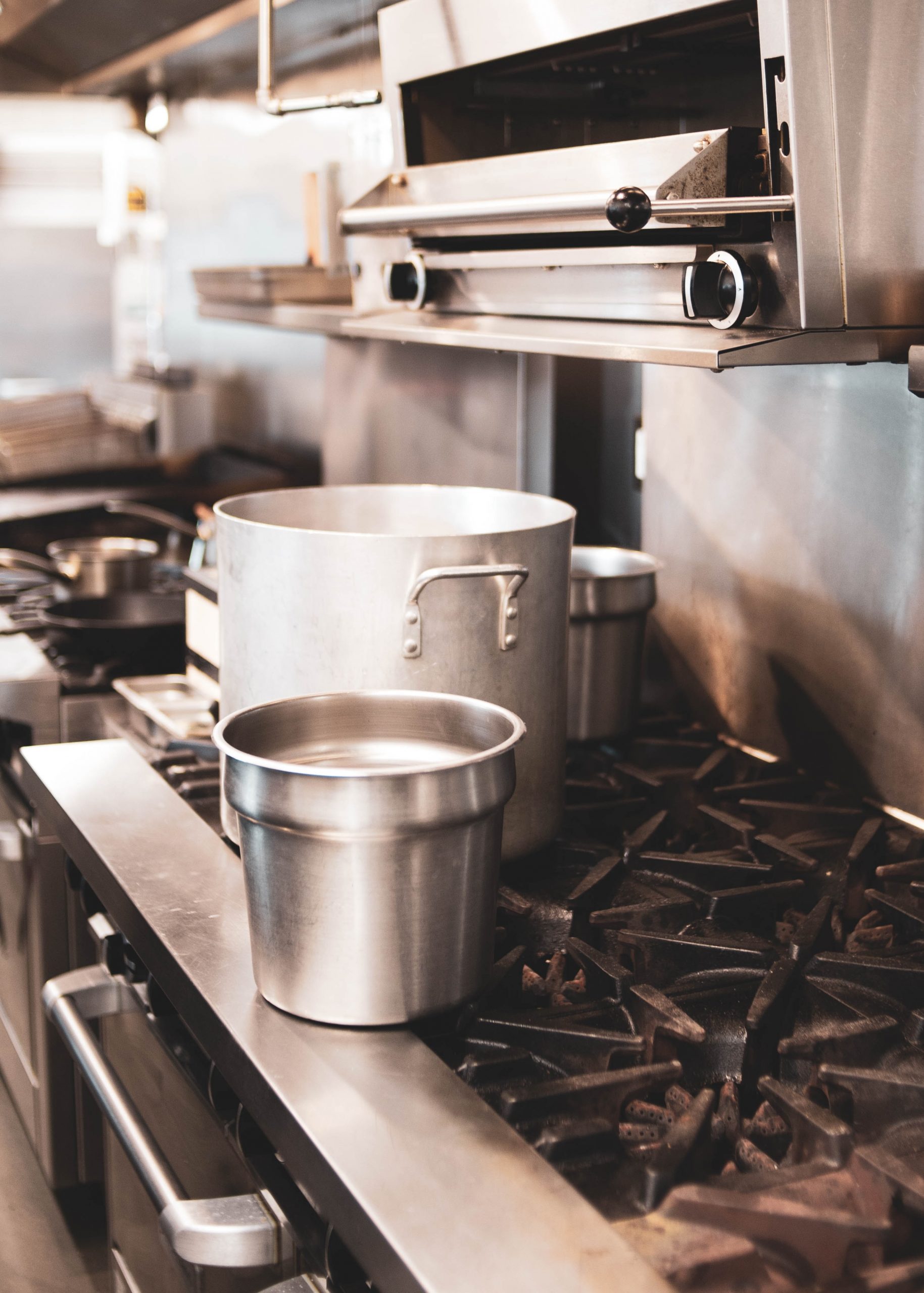
Sanitation control of equipment and utensilsToday I’m going to talk a little about the importance of sanitizing and maintaining equipment and utensils, which in my opinion are often forgotten about for a long time and only cleaned and repaired when the equipment stops working or malfunctions.
In this article I’m once again highlighting the importance of sanitizing equipment and utensils, pointing out that in the food industry everything that comes into contact, directly or indirectly, with food products influences their safety and food quality.
Good hygiene practices require effective and regular cleaning of establishments, equipment, utensils and good personal hygiene practices.
In any food establishment, hygienic and sanitary conditions and their maintenance are fundamental requirements for food safety and quality. Food contamination is the sum of several process stages, from the raw material, contact with surfaces (workbenches), equipment, utensils, handling conditions, water and air quality, and even the correct sanitization and use of the cleaning products used. All of these are factors which, when carried out incorrectly, make the finished products contaminated.
The way to ensure food quality and safety is to implement well-designed industrial hygiene and sanitation systems and programs, which, when implemented and monitored on a daily basis, are an asset for the company.
Sanitization is a set of hygienic-sanitary procedures aimed at ensuring that surfaces, equipment and environments are properly cleaned and have a low residual microbial load, avoiding recontamination of environments, work surfaces and food products.
Sanitization is an essential component of sanitation programs and is generally carried out using chemical agents such as detergents suitable for the food industry. Sanitization, on the other hand, involves the partial destruction of contaminants adhered to surfaces through the use of suitable disinfectants or sanitizers. Sanitization is essential for perfect sanitation, but it is important to complete sanitization with disinfection at the end of the process.
Sanitation control of equipment and utensils is another way of guaranteeing food safety. Good hygiene and sanitation are important in food companies, because it is through them that many contaminations are avoided. It is important that all processes are aligned so that the end product is safe and acceptable. It is therefore essential that equipment and utensils are in good working order and hygienic.
Equipment and utensils must be sanitized correctly and with the appropriate products for the food industry, as they will be in direct or indirect contact with food, and must be protected from physical contamination and cross-contamination.
A good tool to help with this control of the cleaning and disinfection of equipment and utensils is to use a standard operating procedure and its respective record according to the description of each type of equipment and utensil and to check it every day or every month
Share

About us
Work Quality offers training and consultancy in safety, food hygiene and personal development with a focus on excellence and updating.

Contacts
- +351 918 313 851
- geral@workquality.pt
- Estrada dos Portões Vermelhos n.º 20, 9560-450, Lagoa, Gabinete 11
