
May 5, 2025
Temperature control is an important control measure in the preservation and safety of food products.
Temperature plays an important role in the growth and multiplication rate of microorganisms in food. Temperatures below about 5 degrees Celsius reduce the growth rate of most bacteria and temperatures above 60 to 65 ºC destroy the vast majority of microorganisms. Perishable foods are those that spoil more easily and should therefore be stored cold. Fresh/refrigerated food should be kept in the fridge at temperatures between 0 and 5ºC and food for long storage should be kept in the freezer at temperatures below -18ºC.
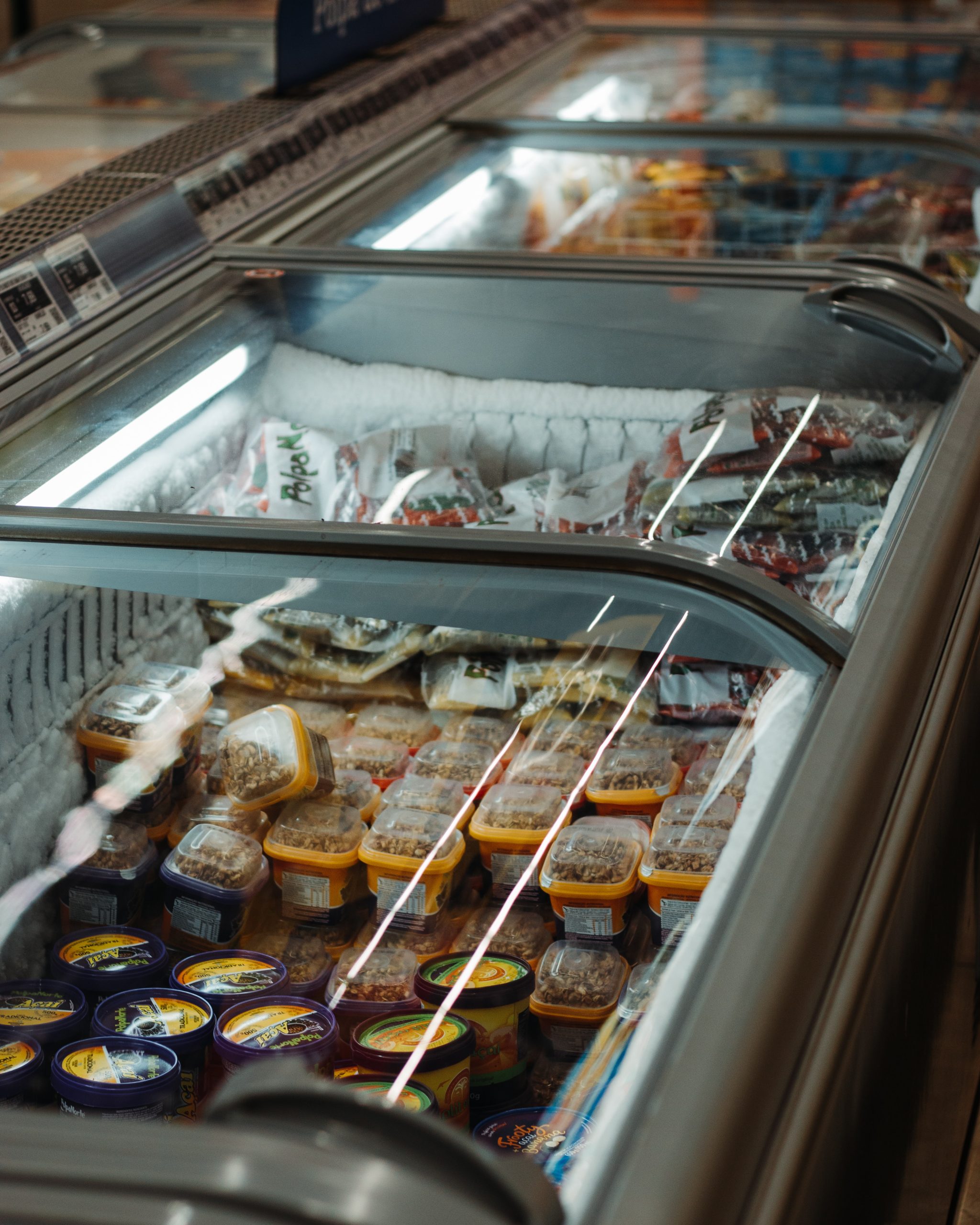
Perishable foods such as fish, meat, dairy products and prepared foods, which are not for immediate consumption, should be stored at temperatures below -18ºC, in refrigerators, cold rooms or other cold equipment.
These temperature limits are important because bacteria such as L. monocytogenes and Y. entercolitica, which may be present in a small percentage of restaurant refrigerators, will grow and multiply if these temperatures are not observed.
If refrigeration or freezing frequently exceeds critical limits, it may be due to storage in quantities that exceed the equipment’s capacity. The air inside the cold chain equipment must circulate freely around the foodstuffs, so care must be taken when storing them, preventing the creation of heat zones.
Freezing and freezer storage can be considered a critical control point, as freezing also prevents the development, multiplication and production of toxins by bacteriological contaminants.
Share

About us
Work Quality offers training and consultancy in safety, food hygiene and personal development with a focus on excellence and updating.

Contacts
- +351 918 313 851
- geral@workquality.pt
- Estrada dos Portões Vermelhos n.º 20, 9560-450, Lagoa, Gabinete 11
