
May 5, 2025
Used cooking oil (UCO) is an important waste in household habits, resulting from the frying of food. Due to its complexity and high potential for contaminating water resources, it is essential to separate and dispose of this waste.
Used cooking oil is a serious environmental problem when disposed of through urban sewers, making the work of wastewater treatment plants (WWTPs) more difficult and worse.
One liter of oil is enough to pollute approximately one million liters of water, so sewage should never be the destination for used cooking oil, as it can damage infrastructure and cause pests to appear. On the other hand, they can damage wastewater treatment systems (WWTPs), as the grease accumulates in the filters, clogging them and causing them not to work properly, damaging the water treatment process.
When disposed of in an uncontrolled manner, oils become a potential contamination hazard for both soil and water, in aquifers, streams and seawater.
Why recycle the cooking oil we use at home?
By depositing or putting cooking oil out for recycling, you are preventing clogged pipes in your home and helping to reduce water, soil and air pollution. What’s more, the same oil that fries your food can be recycled and turned into biodiesel, an alternative fuel to fossil fuels and less polluting.
How can you recycle cooking oil?
Use empty oil bottles to dispose of used oil and recycle them, always identifying the bottles with a label – used oil. Put the oil used in cooking into the bottle, previously cooled and with the help of a funnel.
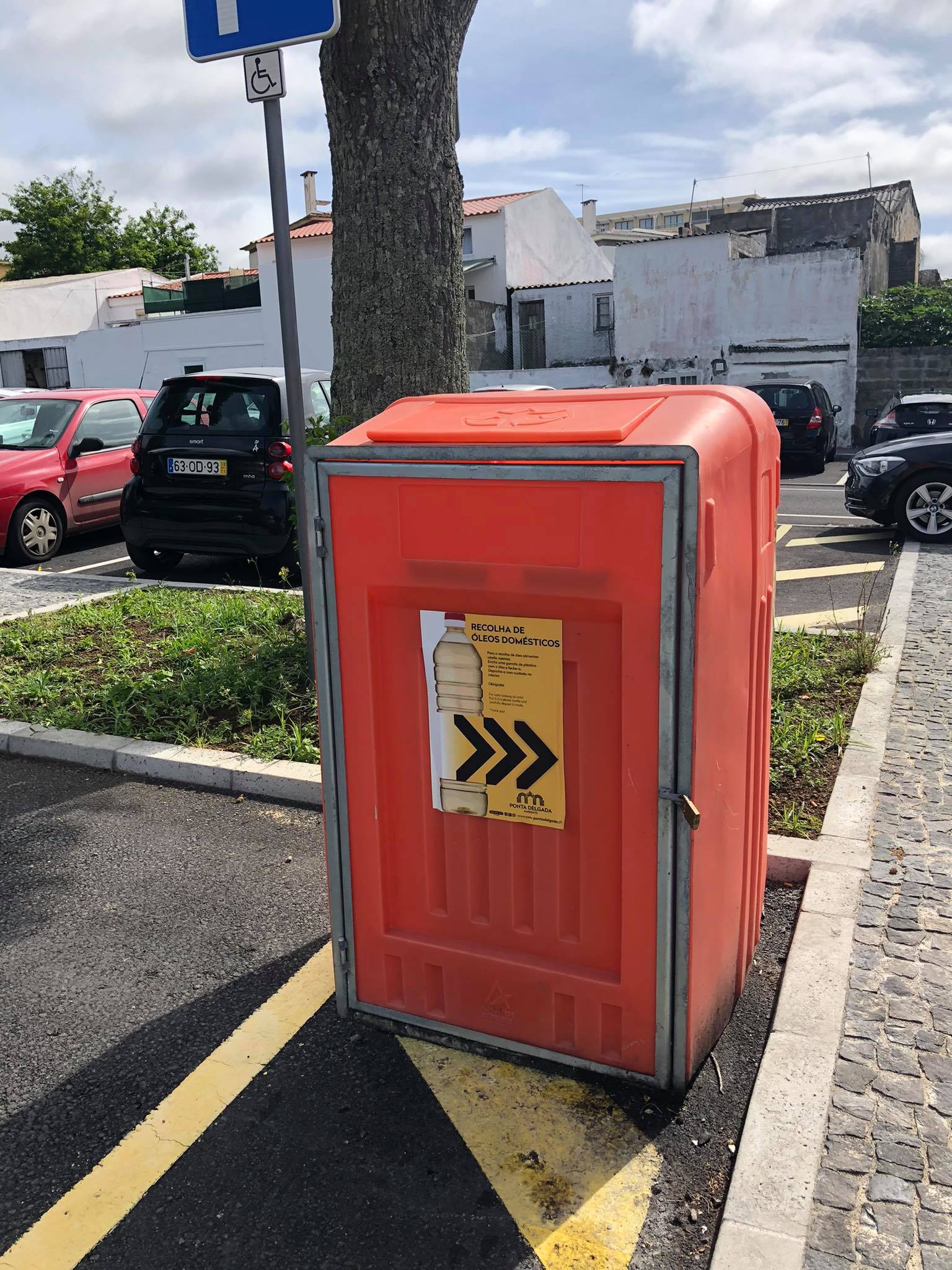
Once the bottles have been tightly closed, they can be placed in the bins that are distributed throughout the municipality. Collection is carried out by the entity responsible for managing the used cooking oil collection system.
Where should I hand it in?
When the bottle is full and properly closed, leave it in one of the bins near you.
If there is no collection system near you, plastic UCO bottles should be placed in an undifferentiated waste container, properly closed.
What should you not put in the bottle?
Only oil of food origin (frying oil, olive oils, canned oils) should be put in the can. Food waste and lubricating oils (of mineral or synthetic origin) should not be put in, as this is a hazardous waste that prevents used cooking oil from being recovered.
What is the destination of the oil?
Used cooking oil will be collected and sent to a waste treatment and recovery unit.
Share

About us
Work Quality offers training and consultancy in safety, food hygiene and personal development with a focus on excellence and updating.

Contacts
- +351 918 313 851
- geral@workquality.pt
- Estrada dos Portões Vermelhos n.º 20, 9560-450, Lagoa, Gabinete 11
