
May 5, 2025
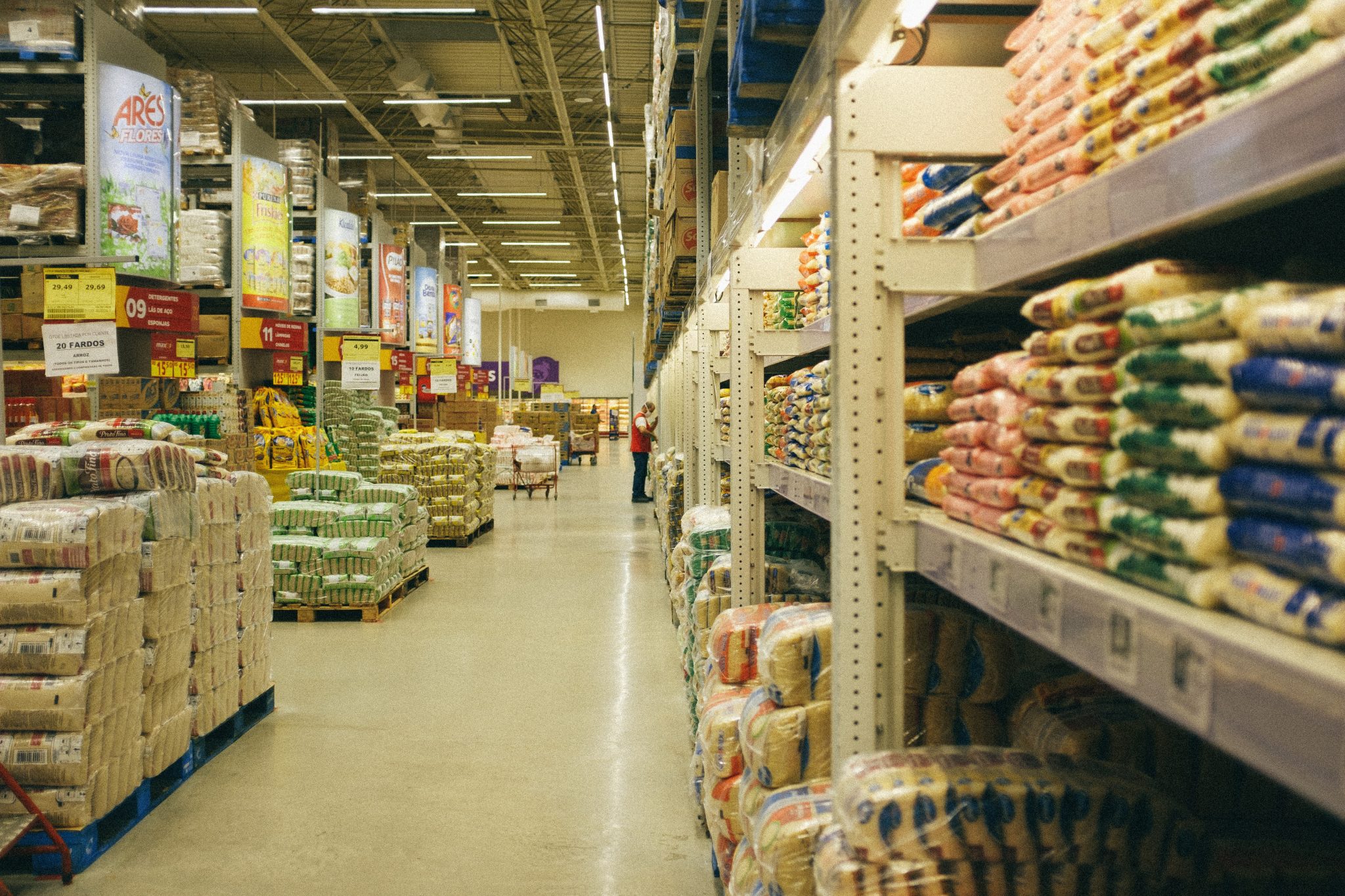
Storing products, a process that goes back a long way and was used by our ancestors.
If we travel back in time, we can see that since ancient times, man has always been very concerned with the storage and preservation of food products. Storing and preserving crops to support the family, for trade and commerce, was a concern even back then.
But with the passage of time and evolution, the storage of products has become a more complete, rigorous and efficient process.
Incorrect and poor storage conditions contribute to the possibility of food contamination.
In the food sector, the reception and storage of food products is an indispensable process, in which there are internal rules and regulations that define the storage process and guarantee its quality, from the layout of the facilities, the place where food products are received, unloading, loading, shipping, preservation and food handling.
To avoid incorrect storage of food products, it is important to pay attention to a number of factors, such as the purpose of the storage, storage of processed products or storage of products consumed directly by the end consumer, storage of refrigerated or frozen products, or specific storage according to the expiry date or specific indications of the products. There are basic principles in the storage of food products that help us in this process, such as:
- Check expiry dates of products, organized in order of receipt and respective shelf life, so that the oldest products are used;
- Confirming and checking the goods received, as well as the good condition of the packaging and food products. Always complete the raw materials reception register;
- Products identified and with good labeling on the packaging;
- Raw materials stored in different areas from the food preparation areas. If there are no different areas, there should be a division, for example, prepared food should be placed at the top of the fridge and raw materials at the bottom of the fridge;
- Products placed on shelves made of washable, resident and non-toxic material, at least 20 cm from the floor;
- There must be spaces to facilitate air circulation and cleaning in order to prevent infestation by rodents or other pests, as well as to prevent the development of mold and odors;
- Frozen products must be stored in properly cleaned freezer cabinets and the products must be separated and identified with name, date and expiry date;
- Products that are out of date or damaged, or products to be returned, must be stored in an appropriate and properly identified place;
- Always check the condition of the equipment and carry out the necessary maintenance.
It is important to remember that there are products with specific storage requirements depending on the type of food, and that you should always consult the product’s labeling or technical data sheet.
Product data sheets should always be requested from suppliers and kept in paper or digital format. All workers must be aware of the product data sheets.
Monitoring food products, as well as time and temperature, is fundamental to guaranteeing their integrity.
The monitoring process must be carried out every day.
Share

About us
Work Quality offers training and consultancy in safety, food hygiene and personal development with a focus on excellence and updating.

Contacts
- +351 918 313 851
- geral@workquality.pt
- Estrada dos Portões Vermelhos n.º 20, 9560-450, Lagoa, Gabinete 11
