
May 5, 2025
This is a topic that has been talked about for a long time but still raises some doubts. Understanding how to separate waste such as plastic, paper/cardboard, glass and food waste for recycling.
Recycling plastic and any other product and/or material starts with a simple and powerful action – separating household waste.
The amount of waste we produce in our homes is enormous, and as such recycling is a fundamental process. As we all know, the process of recycling and even preserving nature is entirely a matter of each individual’s attitude, environmental awareness and day-to-day habits.
So what happens to waste once it’s been separated in our homes?
Each country and even each person separates waste in many different ways. Some separate plastic packaging from other types of plastic, others separate all plastic and metal from paper and glass. There are also places that separate only recyclable materials from organic waste before sending it to the sorting center. Whichever way or manner they sort in your country or locality, the important thing is that you recycle at home.
Household waste that is sorted at home should be placed in the appropriate recycling bins. You’ll usually find an ecopoint for plastic and packaging, an ecopoint for paper and cardboard, an ecopoint for glass and another ecopoint for unsorted household waste.
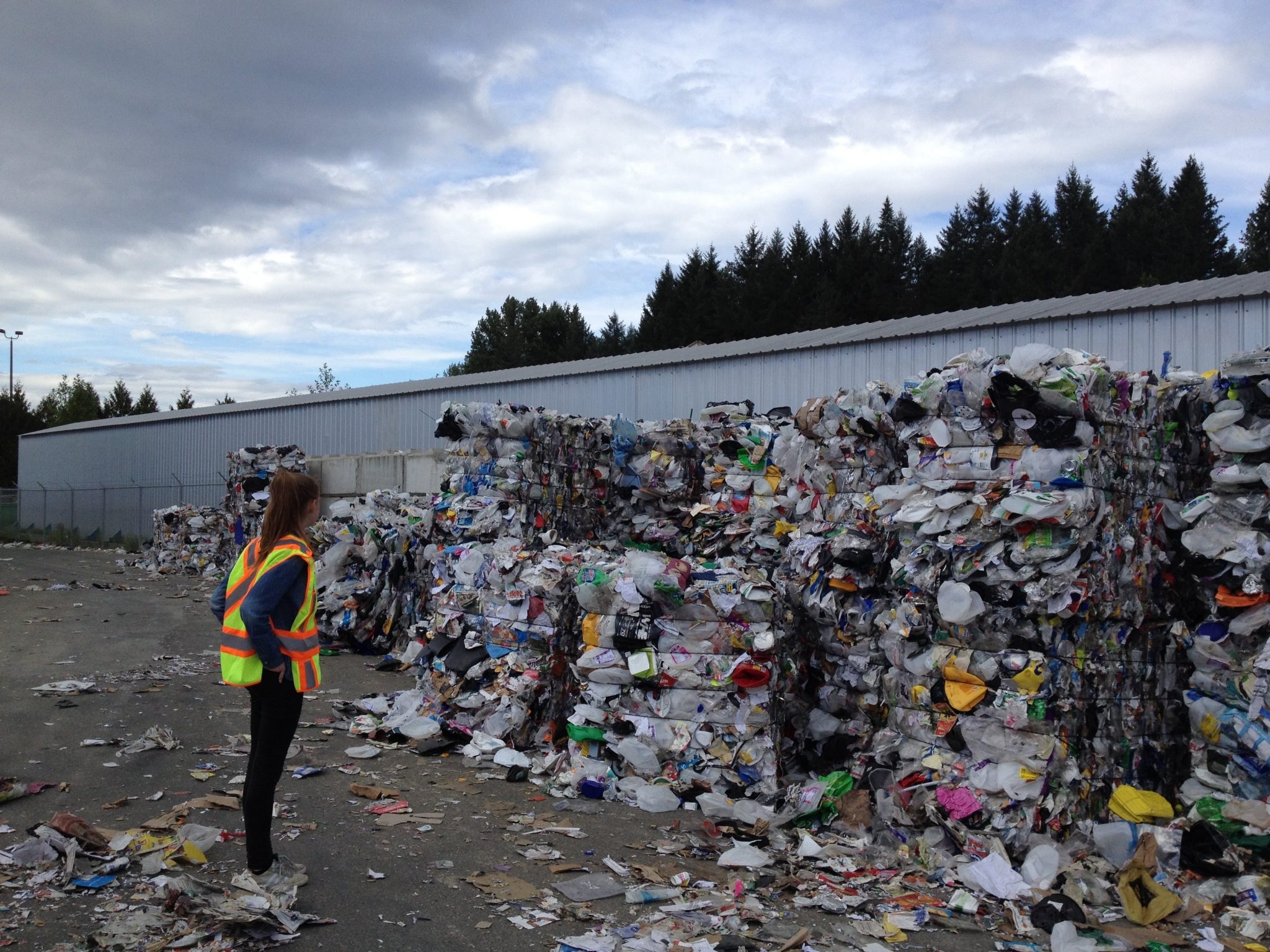
The sorting centers receive the waste that people dispose of in the various recycling garbage cans and carry out an initial sorting process. The recyclable materials are sorted again and again, separating plastic from metal and aluminum and separating the different types of plastic that exist so that the recycling industries can use them.
Once the plastics have been sorted and compacted, they are sent to the recycling companies.
Labels and stickers are removed from the selected packaging and all valid plastic waste is washed to remove dirt and food waste, among other things. It is after this process that the magic of recycling begins.
Even so, there is a lot of waste that cannot be recycled. Plastic that cannot be recycled goes through an energy recovery process, which transforms it into thermal and/or electrical energy and is incinerated, breaking down into three possible by-products – energy, solid waste and gases.
This method is mainly used for plastics that are too damaged, dirty or difficult to separate from other types of plastic, which generates some controversy due to the potentially toxic nature of the gas emissions that result from this process.
The process of burning these plastics follows very strict rules, with the aim of ensuring that the equipment used avoids releasing toxins into the atmosphere.
Of all the material that comes from the recycling bins, around 40% has contaminants that cannot be recycled. This 40% of waste is sent to an energy recovery plant.
After all this, the recycled plastic is given a new lease of life. The materials that recycling and the processing industry give us are molded and reinvented to create new objects that are part of our daily lives. If it is used, separated and transformed correctly, plastic can have not one, but several lives. Maybe seven lives like cats.
Share

About us
Work Quality offers training and consultancy in safety, food hygiene and personal development with a focus on excellence and updating.

Contacts
- +351 918 313 851
- geral@workquality.pt
- Estrada dos Portões Vermelhos n.º 20, 9560-450, Lagoa, Gabinete 11
